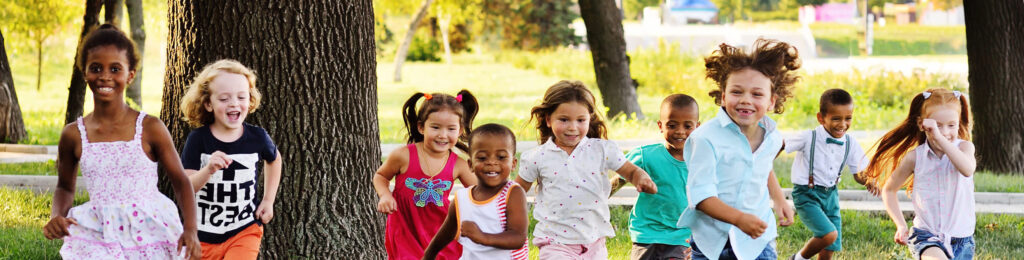
Kindergarten is a big step for kids and families alike, and preparing for it can feel a little overwhelming. As you get your child ready for this new adventure, it quickly becomes clear that kindergarten readiness is about more than just school supplies or a new backpack. It is about helping your child feel safe, confident, and excited to explore something new.
Of course, you want your child to be academically prepared, knowing their numbers and letters, recognizing shapes, and writing their name. But there are just as many everyday skills to practice at home, from testing out an earlier bedtime to talking about being away from you. And then there is the question every parent asks: what else can I do?
Part of kindergarten readiness is building independence and promoting autonomy. A teacher with a full classroom may not be able to help every child open a snack or guide each one through washing their hands. The more your child can do on their own before the school year starts, the more confident they will feel from day one.
Here are some practical, non-academic kindergarten readiness tips to help your child hit the ground running this fall. Trust us, their teacher will thank you for it!
What Is Kindergarten Readiness?
Kindergarten readiness refers to the full range of skills, both academic and non-academic, that help a child transition successfully into their first year of school. A kindergarten-ready child is not just one who knows their ABCs. It is a child who can follow a routine, manage basic personal care, communicate their needs, and feel comfortable being independent in a new environment.
Building these skills at home before the school year begins gives your child a real head start, not just academically, but emotionally and socially too.
Here are some non-academic kindergarten readiness tips to help your child feel prepared, independent, and ready for fall:
Lunchtime Preparation
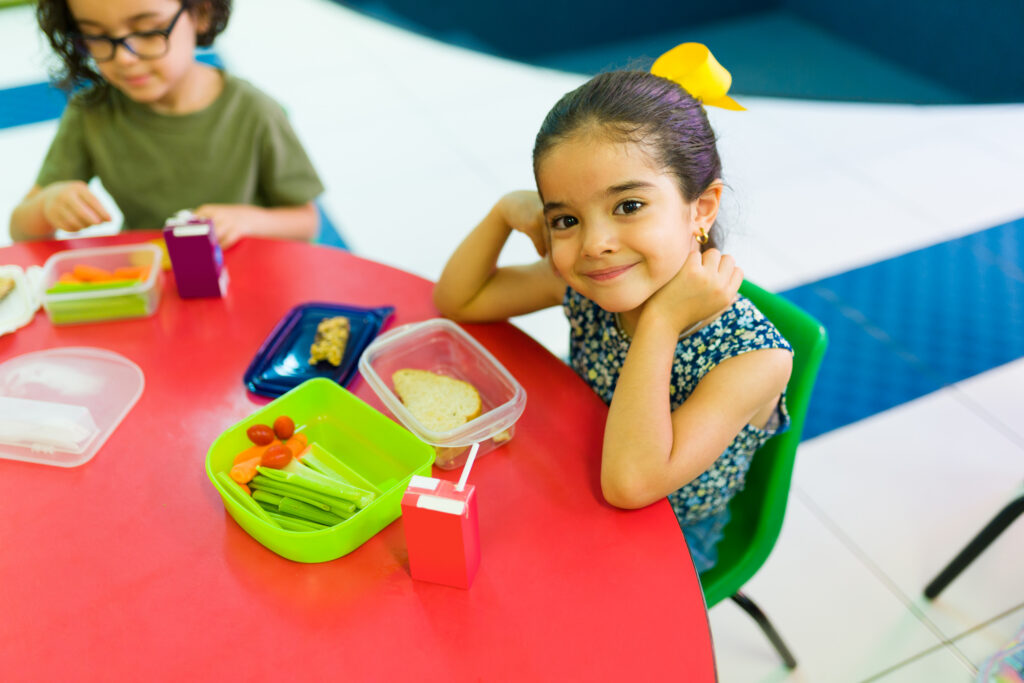
Elementary school lunchtime can be a big transition for young children. From the time pressure to the lunch line to simply being in a cafeteria, it can feel overwhelming the first time. Practicing at home ahead of time can make a real difference in how comfortable your child feels.
- Time your lunch at home. Find out how long your child has to eat at school (usually around 25 minutes) and set a timer. Help them understand they need to stay focused and finish before time runs out.
- Set up a practice lunch line. If your child will be buying hot lunch, have them practice getting a plate, standing in line, entering their lunch code, and walking carefully to the table.
- Practice opening everything independently. If your child is bringing lunch from home, have them practice opening their lunchbox and all the items inside, including plastic bags, applesauce pouches, chip bags, string cheese, and juice boxes.
Personal Care Independence
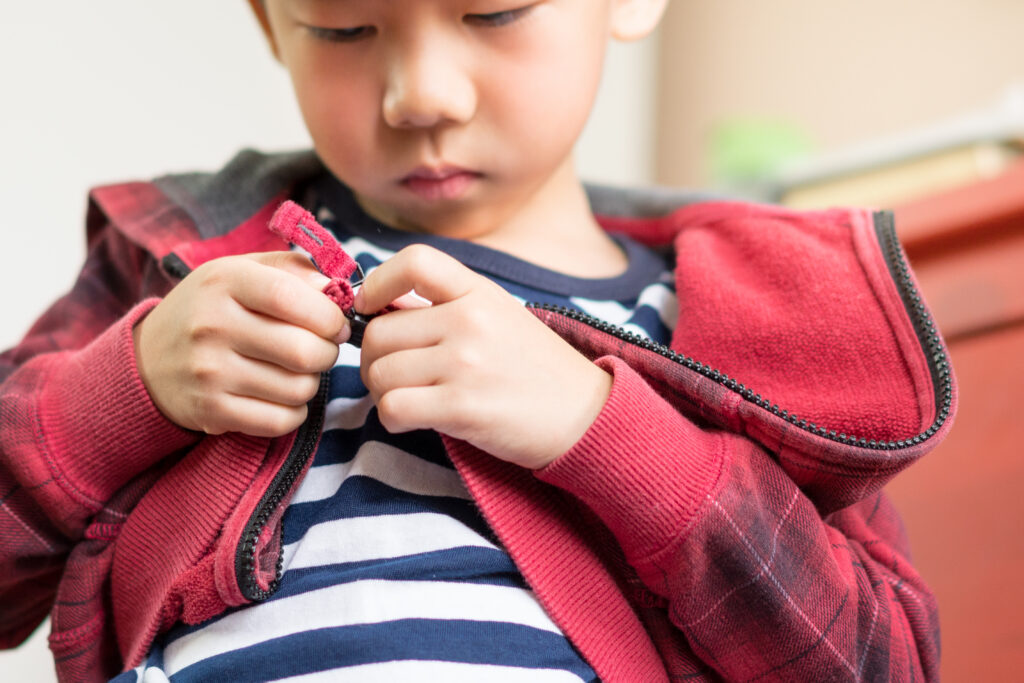
Personal care is one of the most important kindergarten readiness skills to build before the school year starts. Practice these steps with your child so they can manage on their own throughout the day:
- Putting on and taking off shoes and a jacket independently
- Using the bathroom without assistance
- Changing clothes if needed
- Blowing their nose
- Washing their hands thoroughly
Transportation Routines
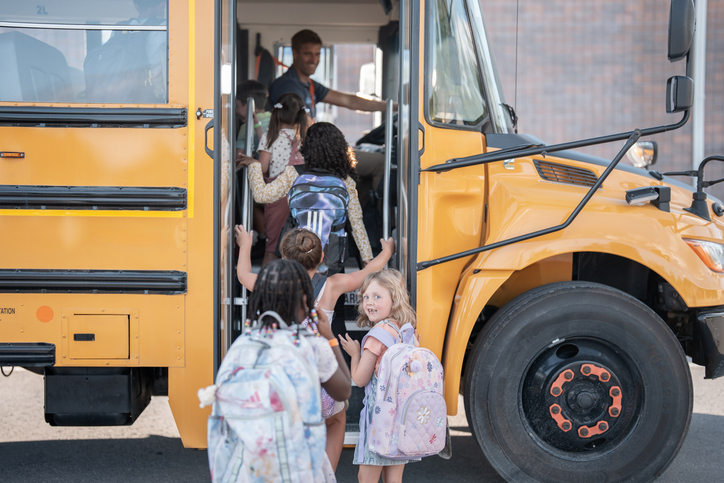
Whether your child is a car rider or a bus rider, knowing what to expect on day one makes the whole experience less stressful for everyone. Walk through the routine with your child before school starts so nothing feels like a surprise.
- Car riders: Practice buckling and unbuckling independently. In most school car lines, parents cannot get out of the car to help, so your child will need to manage their seatbelt, grab their backpack, and hop out on their own.
- Bus riders: Talk through the rules of the bus together. Sit on your bottom, stay in your seat until the bus stops, always cross in front of the bus with an adult when it is fully stopped, and listen to the bus driver.
Set Your Child Up for a Strong Kindergarten Start
The sooner you start practicing these kindergarten readiness skills at home, the more comfortable and confident your child will feel on the first day of school. These small habits make the transition smoother for children and families alike, and they give your child the tools to walk in feeling secure, capable, and ready to learn.
Kindergarten is a big milestone. With a little preparation and practice, your family can move into this exciting new chapter with confidence.
If you are looking for a program that supports kindergarten readiness year-round, Childcare Network is here to help. Our experienced teachers work with children to build the independence, confidence, and foundational skills they need to thrive in kindergarten and beyond.